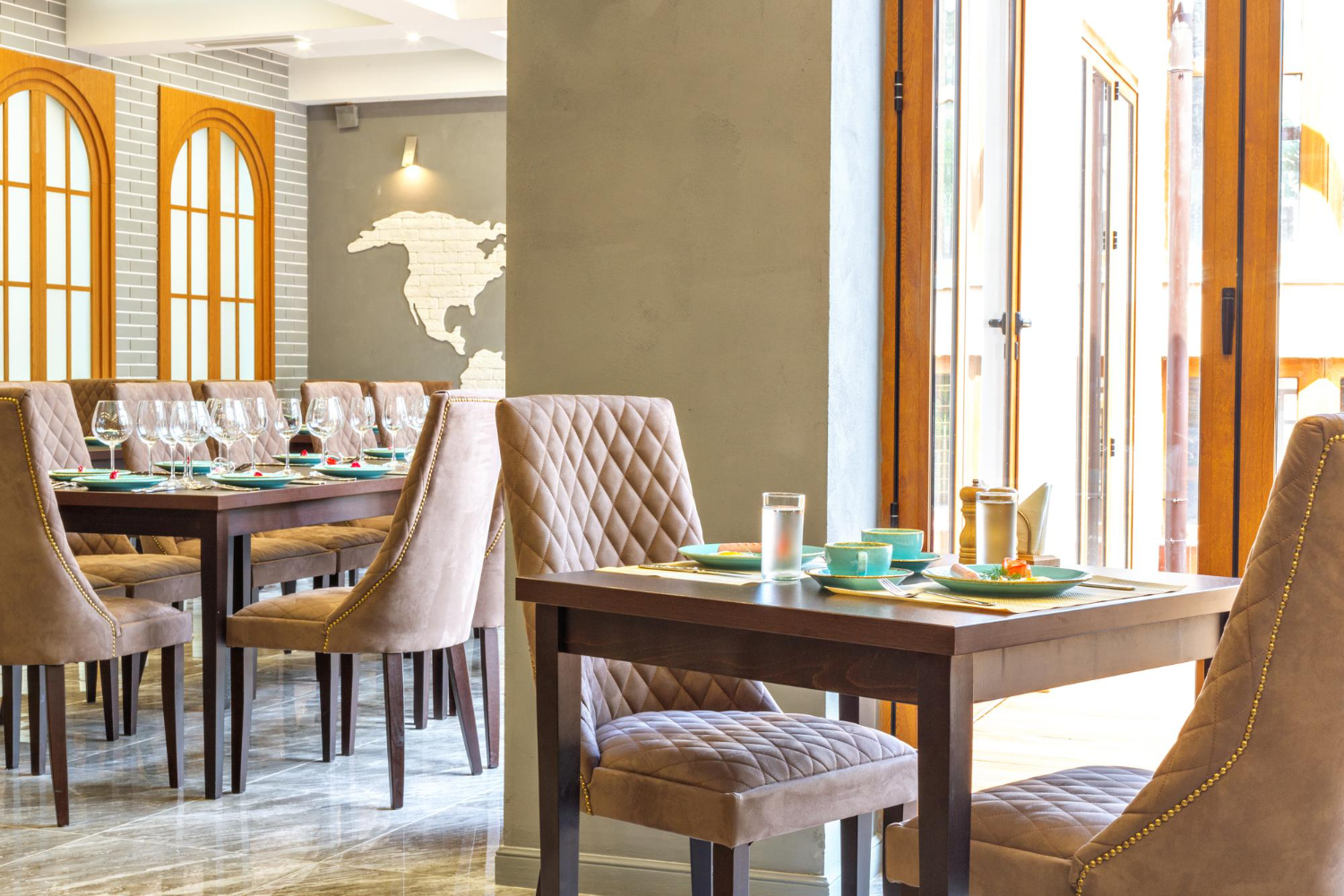
Reviving a Tired Dining Room Without Blowing Your Margins
Early patio season should feel like a fresh start. The sun is out, guests are finally ready to spend, and your team is hungry for busy nights. But the room feels flat, tired, and a bit empty. The food is good, the service is solid, yet weeknights are quiet and first-timers are not turning into regulars.
I see this all the time. The problem is rarely just the paint colour or the chairs. It’s that the space no longer lines up with how people actually use your restaurant, what your prices say you are, and how your team needs to move. In this article, I’ll walk through how to tune up a tired dining room using operator decisions instead of decorator impulses so your margins get healthier instead of shredded.
Stop Bleeding Cash on Cosmetic Upgrades
A slow room pushes owners toward quick fixes. New lights, new art, maybe a full reno if the bank will play along. The risk is you spend big, the photos look better, but service flow and profit stay the same.
Before you open your wallet, ask three blunt questions:
Does this change fix a real guest or staff problem?
Will it help table turns, check average, or labour?
Is it aligned with what your menu and price point already promise?
When you’ve actually written cheques and made payroll, you start there every time. Design has its place, but if it doesn’t make service smoother or value clearer, it’s decoration, not an investment.
Diagnose Why Your Dining Room Feels Off
When I walk a room, it’s closer to a secret shop than a design consult. You can do a version of this yourself.
Walk the room at different times of day. For each visit:
Enter like a guest, not the owner
Sit in a few different sections
Notice where your eyes and ears go
Look for dead corners, tables nobody wants, bottlenecks near the kitchen or bar, and long lonely stretches of empty seats. Then listen to the floor. Staff know where the bodies are buried.
Pay attention to things like:
Sections servers avoid taking
Chairs everyone complains about
Tables they only seat when they’re desperate
Those daily workarounds are silent leaks. They drag down both guest experience and labour.
Then check alignment. A room that feels like a 2005 family diner can struggle to carry a menu full of $36 mains, craft cocktails, and messaging about local product. But not impossible. On the flip side, a stiff, formal room makes a fun, shareable menu feel odd. When the space and the offer don’t match, guests just don’t come back, even if they can’t say why.
Make Changes That Improve Flow, Not Just Looks
Once you know where the room is fighting you, fix the map before you buy anything. Redraw your floor plan around how your team actually moves.
Key things to look at:
Sightlines from each section to the pass, bar and door
Distance from each table to the nearest POS
Where servers are crossing and colliding
Sometimes the best move is to remove a table that always creates traffic jams. Losing four seats that stall service can lift revenue per seat and cut labour drag because the room runs cleaner.
Reclaim dead zones. That four-top by the washrooms that never gets sat? Turn it into:
A service station
A small retail or merch shelf
A staging area for large parties
An awkward corner can become a date nook with a simple divider and better lighting. None of that requires a full reno, just operator thinking.
Capacity is emotional. We all love seeing big seat counts on the licence, but if you’re constantly crushed at 60 percent fill, you might be overbuilt. It’s often better to run fewer seats that turn cleanly and feel full than more seats that never quite hum.
Low-Cost Tweaks That Actually Drive Revenue
Once flow is cleaner, then look at simple visual and sensory changes that move the numbers.
Lighting is a big one. Many rooms are bright and flat at 5 p.m., then a cave by 8 p.m. Guests need to:
Read the menu without leaning in
See the food clearly
Feel comfortable ordering one more round
Basic dimmer zones and some smart task lighting can raise check averages more than a whole wall of new art.
Next, look at tables and menus. Wobbly legs, chipped edges, and beat-up menus send a louder message than most owners think. If you want to protect margin or take a small price increase, the physical tools have to match.
Sound is another quiet killer. Hard surfaces and loud music make guests tired faster. A few acoustic panels, curtains, or well-placed shelves can:
Reduce echo
Make conversation easier
Keep the room feeling alive but not frantic
That usually leads to longer, more relaxed visits with higher spend, without extra labour.
Use Your Dining Room to Tell a Real Story
People don’t connect with generic decor. They connect with proof that a real team is putting in real work.
Instead of random art, add pieces that show how your place actually runs. Think:
Old team photos
Prep or menu notes
Little bits of your opening story
These signals tell guests they’re buying into something real, not a theme.
When it fits your layout and health rules, I like making operations visible on purpose. A partial line view, an open pass, or a small window into prep gives people a glimpse of the craft. That supports your pricing without a long speech about sourcing.
Then make sure your marketing matches that reality. Photos on social and your site should look like a normal busy night in your actual room, not a styled shoot with candles you never use. When new guests walk in and the space matches what they saw online, trust goes up and repeat visits follow.
Train Your Team to Work the New Room
A fresh layout without new habits just creates new problems. Once you adjust the room, reset the floor script.
Walk the team through:
Where to greet and stage guests
How to steer walk-ins to the right zones by daypart
How to manage waits without killing the bar
Then tighten table turn systems in a way that still feels relaxed to guests. That might include clear internal targets by daypart, simple cues between floor and kitchen, and strong prebuss standards so payment is fast and clean, not rushed.
For the first few weeks, track a few simple things:
Average cheque
Turn time
Seat use by section
Notable guest comments
This gives you real data to tweak again, instead of redesigning the room around one loud regular.
At some point, you’re probably too close to the space to see it clearly. I can walk in, read the floor fast, and help you turn that tired dining room back into a room that protects your margin instead of chewing it up.
If you want a blunt, operator-level walkthrough of your space, not a decorator pitch, reach out and let’s book a discovery call. We’ll look at your actual numbers, your room, and your team, and map the specific changes that will make your dining room start pulling its weight again.
Boost Your Restaurant’s Profit With Expert Guidance
If you are ready to turn insights into measurable results, Nathan Satanove is here to help you uncover the real drivers of your margins and cash flow. As a dedicated restaurant profitability consultant, we work with you to identify quick wins and build a sustainable long-term strategy. Share a bit about your concept, current challenges, and goals, and we will recommend a practical, data-backed next step. To schedule a conversation about your restaurant’s numbers, contact us today.